
Discover the Sultanate
About Oman
Explore the rich history, vibrant culture, and warm hospitality of one of the most beautiful countries in the Arabian Peninsula
309,500
Square KM
2.5+M
Population
Arabic / English
Language
Overview
Sultanate of Oman
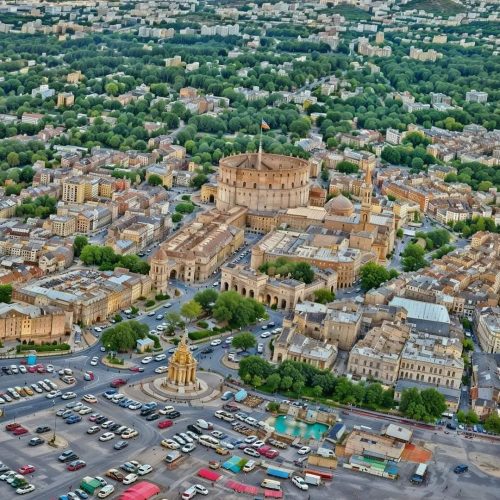
The total area of Oman is about 3.9500 SQ. KM., the total population of Omanis are 2.5 million people the mother tongue is Arabic language however English is commonly used in everywhere in the city. Oman is situated to the south east of the Arabian Peninsula, it’s a part of the GCC “Gulf countries community” and has borders with Yemen to the South West, UAE to the North West and the kingdom of Saudi Arabia to the west, the Gulf of Oman, Arabian Sea which are the doors to Indian Ocean to the east.
The main religion is Islam. While virtually all Omanis are Muslims, they are divided into three Islamic sects: Ibadi Islam (Oman’s state religion), Sunni, and Shiite. Majority of the Omanis belong to the Ibadi sect. As well as there is few number of small churches are available only for foreign residents. The administrative & business capital of Oman is MUSCAT it is located in the north and about 1000 KM driving away from Salalah.
political
Sultanate Political Meaning
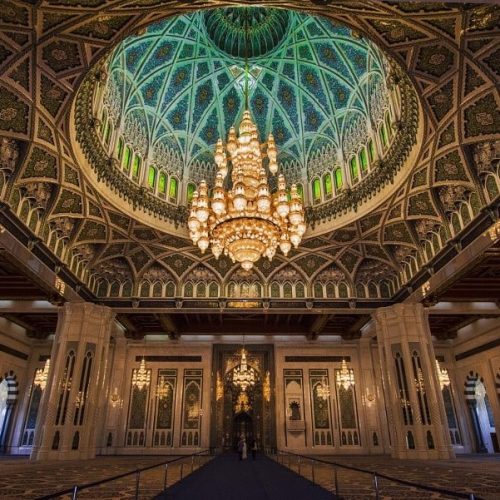
The territory or a country ruled by a sultan, the office, rank, or jurisdiction of a sultan. A sultanate is a form of government with a sultan as a political and military leader; it is essentially equivalent to an Emirate (there is no real difference between these terms).
The term sultan was first used as a title of authority by Mahmud Bin Ghazni in 1002. He declared himself Sultan of Ghazna, yet still maintained his allegiance to the Abbasid caliph. The 9th century witness the fragmentation of the Abbasid caliphate and the rise of multiple sultanates and emirates, yet these Sultans/Emirs always proclaimed their allegiance to the caliph, since the caliphate continued to be viewed as a religious obligation.
Sultans only had power with regard to political and military matters – religious/legal authority was eventually acquired by Islamic scholars. So after the 9th century, the “caliphate” was viewed as an umbrella of multiple polities with sultans and scholars at the center of power. This changed once the Ottoman sultans defeated the Mamluks in 1517 and assumed the title of caliph – after this point, the title of sultan was “joined” with the title of caliph.
Flag
Oman Flag Color Code
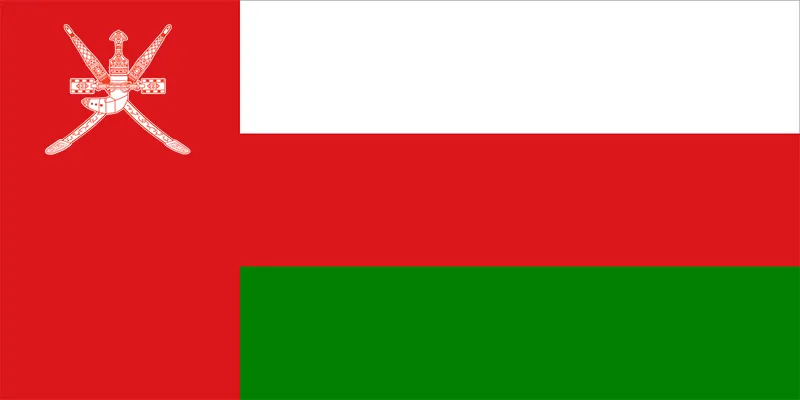
According to World Atlas, the flag of Oman was officially adopted on April 25th 1995. Colors of the flag are symbolic:
• Green represents fertility
• White represents peace
• Red is common on many regional flags.
The national emblem, a Khanjar (Dagger), is displayed upper-left. The dagger and its sheath are superimposed on two crossed swords in scabbards.
multi-cultural
Religion
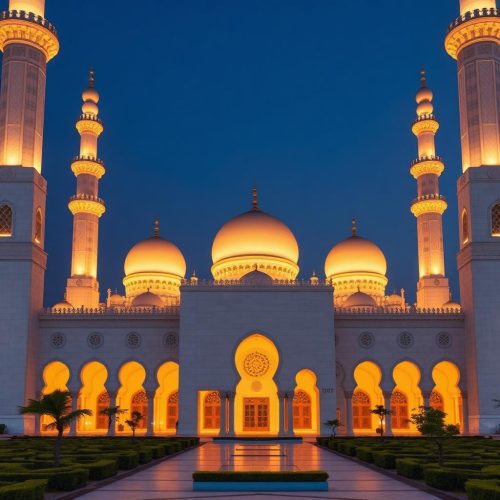
While virtually all Omanis are Muslims, they are divided into three Islamic sects: Ibadi Islam (Oman’s state religion), Sunni, and Shiite. Majority of the Omanis belong to the Ibadi sect.
• The Ibadis live primarily in the mountainous regions of Oman
• The Sunnis live on the coast, together with the Ibadis
• The few thousand Shiites mainly live in the cities of Muscat and Sohar
Despite differences between the sects, the Ibadi clerics maintain peace in Oman. Ibadism is a school of Islam dominant in Oman. It is also found in Algeria, Tunisia, Libya and East Africa. The movement is said to have been founded 20 years after the death of the Muslim prophet.
people
People & Culture
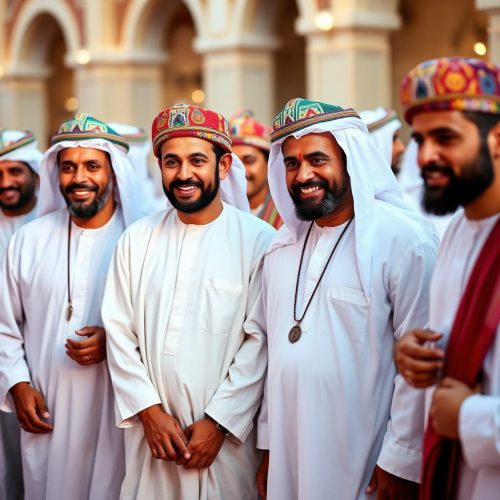
The people of Oman are known for their friendliness and hospitality. The country has a population of 2.8 million, and its citizens are called Omanis. Around 50% of the population resides in the capital city of Muscat, while the remaining are spread across the nation.
In addition to Omanis, the country is also home to various ethnic groups:
• The Balochis live in the Baluchistan region of Pakistan, Iran, and Afghanistan, as well as in the Arabian Peninsula
• The Lurs are an Iranian group of approximately 5 million people who primarily live in Lore Stan, Kazakhstan, and Fars
• The Mehri, one of the largest tribes in Yemen’s Al Mahrah Governorate and Oman’s Socotra and Dhofar Governorate
Omanis have a long history of presence in the Swahili Coast. Zanzibar became part of Oman’s overseas holdings after the imam of Oman defeated the Portuguese in Mombasa in the late seventeenth century. Omanis settled in the region in significant numbers, and many looked forward to a better life.
dress
Omani Traditional Dress
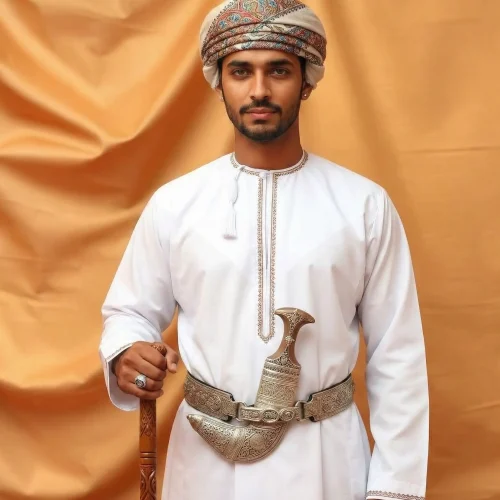
For men, the national dress is an ankle-length, collarless gown with long sleeves, called a DISHDASHA. Usually, the clothing is white, although a few other colors such as brown, lilac, and black are sometimes worn. There are many accessories men can wear:
• Muzzar – a type of turban
• ASSA – a cane or stick used mainly for formal occasions
• Khanjar – a ceremonial curved dagger worn during formal occasions, often described as “an important symbol of male elegance”
foods
Cuisine
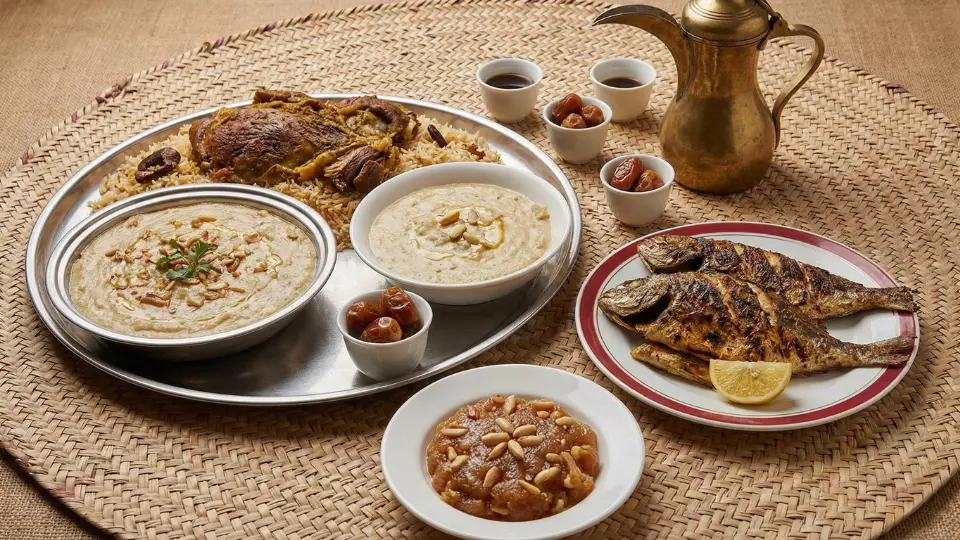
The cuisine of Oman is generally very simple, with the aid of many spices and marinades to complete a dish, which usually consists of chicken, fish, and lamb. Unlike that of many other Asian nations, Omani cuisine is not spicy, and varies regionally.
Everyday meals generally have components such as rice, a wide variety of soups, salad, curry, and fresh vegetables. For dessert, many Omani people have a kind of sweet, known as Omani halwa. This is usually served before the consumption of kahwa, a preparation of coffee with cardamom, which is very popular and remains a symbol of hospitality.
Other popular beverages include tea, laban (a kind of salty buttermilk), yoghurt drinks, and soft drinks.
money
Currency
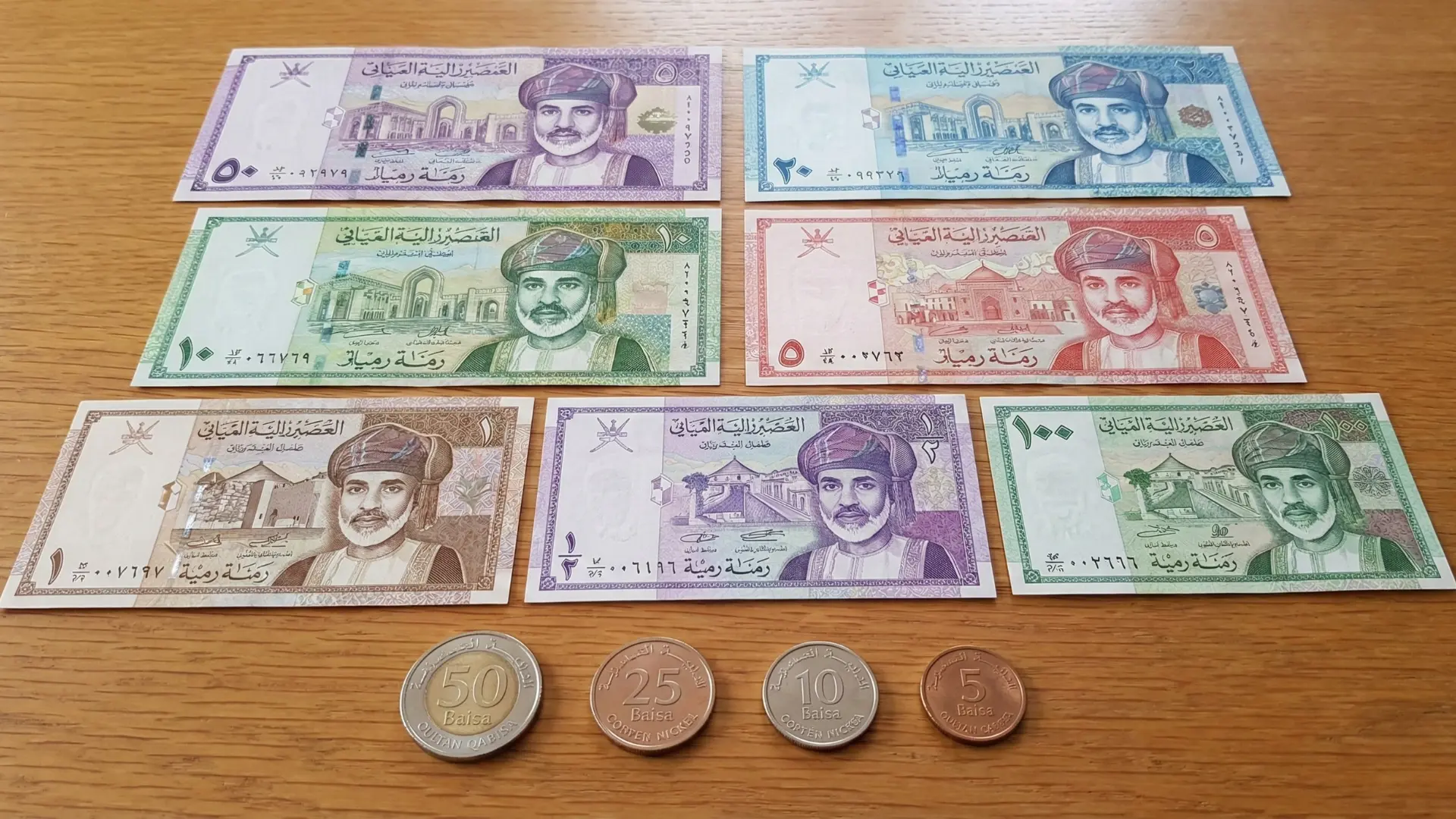
The local currency in Oman is OMR or Omani Rial, each Rial consists of 1000 Baisa.
Paper notes available: 100 Baisa, 1/5 Rial, 1, 5, 10, 20, 50 and 100 Rial
Coins exist in 20 and 50 Baisa denominations, though rarely encountered.
Exchange rates (approximate, as on January 2026):
• 1 OMR = 2.5 USD
• 1 OMR = 2.08 EUR
• 1 OMR = 1.8 GBP